Phone:
(701)814-6992
Physical address:
6296 Donnelly Plaza
Ratkeville, Bahamas.

Phone:
(701)814-6992
Physical address:
6296 Donnelly Plaza
Ratkeville, Bahamas.
When it comes to designing a frog terrarium, you want to get it just right—not only for the health of your amphibian friend but also to create a captivating display. I’ve spent years diving deep into terrarium setups and can confidently say that a well-crafted frog habitat combines nature’s beauty with practical care. In this article, I’ll share the most accurate and detailed frog terrarium ideas to inspire you.
So, what makes a great frog terrarium? A perfect frog terrarium balances appropriate humidity, natural décor, and safe materials, ensuring your frog thrives while looking fantastic. From tropical rainforests to minimalist designs, these ideas cover environments suitable for various frog species, offering you clear guidance on how to build them.
Curious to see the top terrarium designs that will make your frog’s home stand out? Keep reading to discover 20 unique frog terrarium ideas, complete with practical tips and style advice for your amphibian’s ideal habitat.
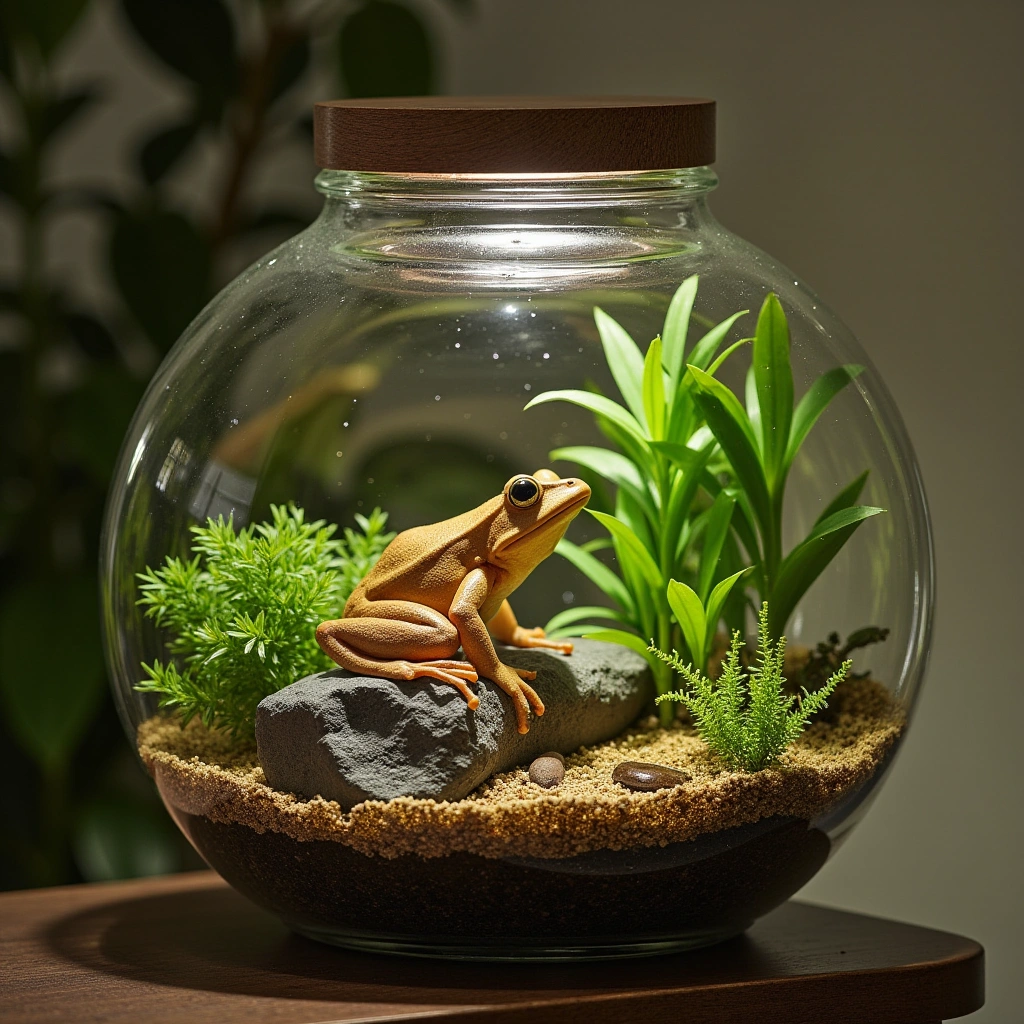
Before we jump into the ideas, let’s chat about what makes a frog terrarium tick. Frogs need specific conditions to be happy—humidity, temperature, and space. Your terrarium should mimic their natural environment as closely as possible. That means choosing the right substrate, plants, hiding spots, and water features. Whether you want a lush, jungle-like setup or a sleek, modern container, these ideas will help you build a great-looking and frog-friendly home.
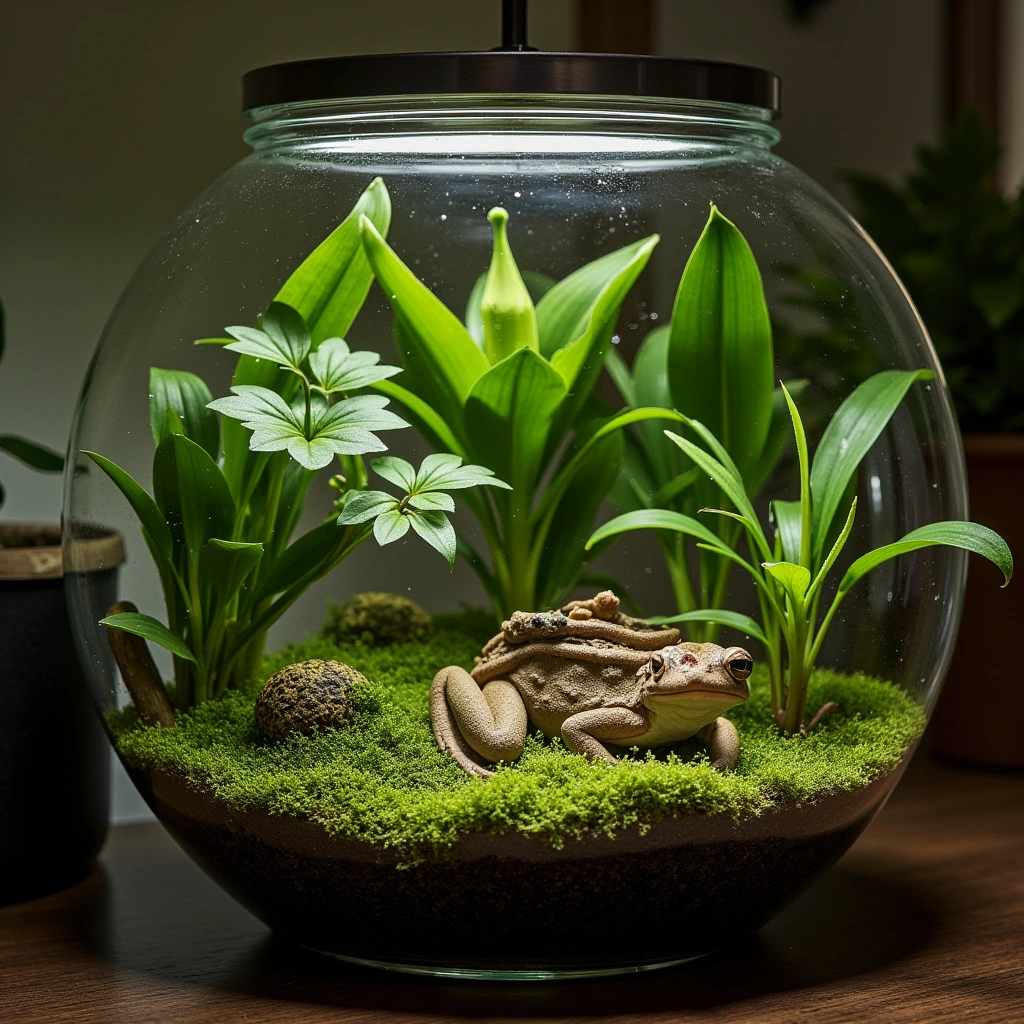
This design works because tropical frogs thrive in humid, plant-rich environments. Use live plants like bromeliads, ferns, and moss to recreate the dense foliage of a rainforest. Incorporate a shallow water dish or small waterfall to keep humidity high. Choose a dark, moist substrate like coconut fiber or sphagnum moss.
Tip: Use LED grow lights to help plants flourish without overheating the terrarium. This setup suits modern and traditional spaces alike, adding a lush, vibrant vibe.
Moving on, let’s explore a terrarium style that’s perfect for those who love a bit of zen…
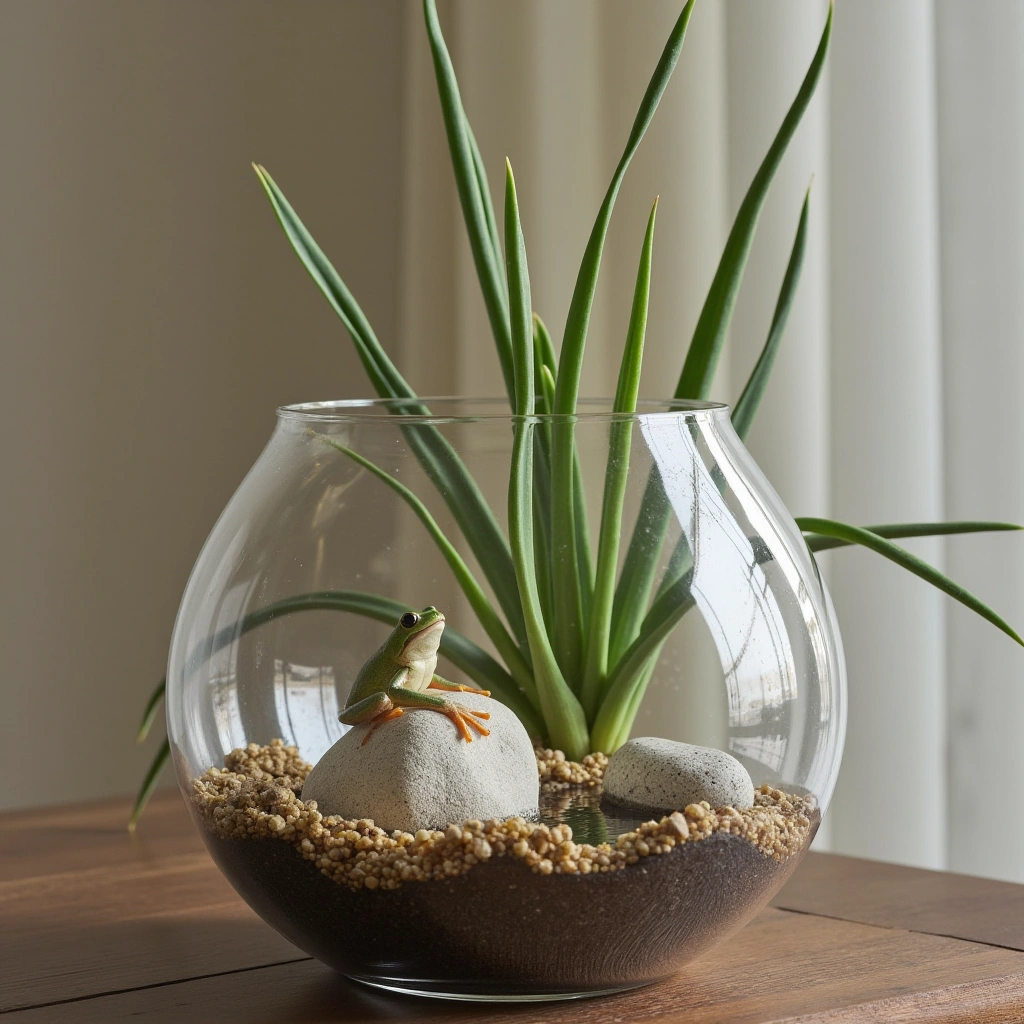
For fans of simplicity, a minimalist terrarium with smooth stones, a few air plants, and a small water pool creates a calm, clean look. This style highlights the frog while reducing clutter. Use a clear glass tank with a black or white base to keep things sleek.
Tip: Incorporate bamboo or driftwood for natural texture and visual interest. This design fits perfectly in modern apartments or offices.
Next, let’s dive into a more adventurous setup inspired by the wild…
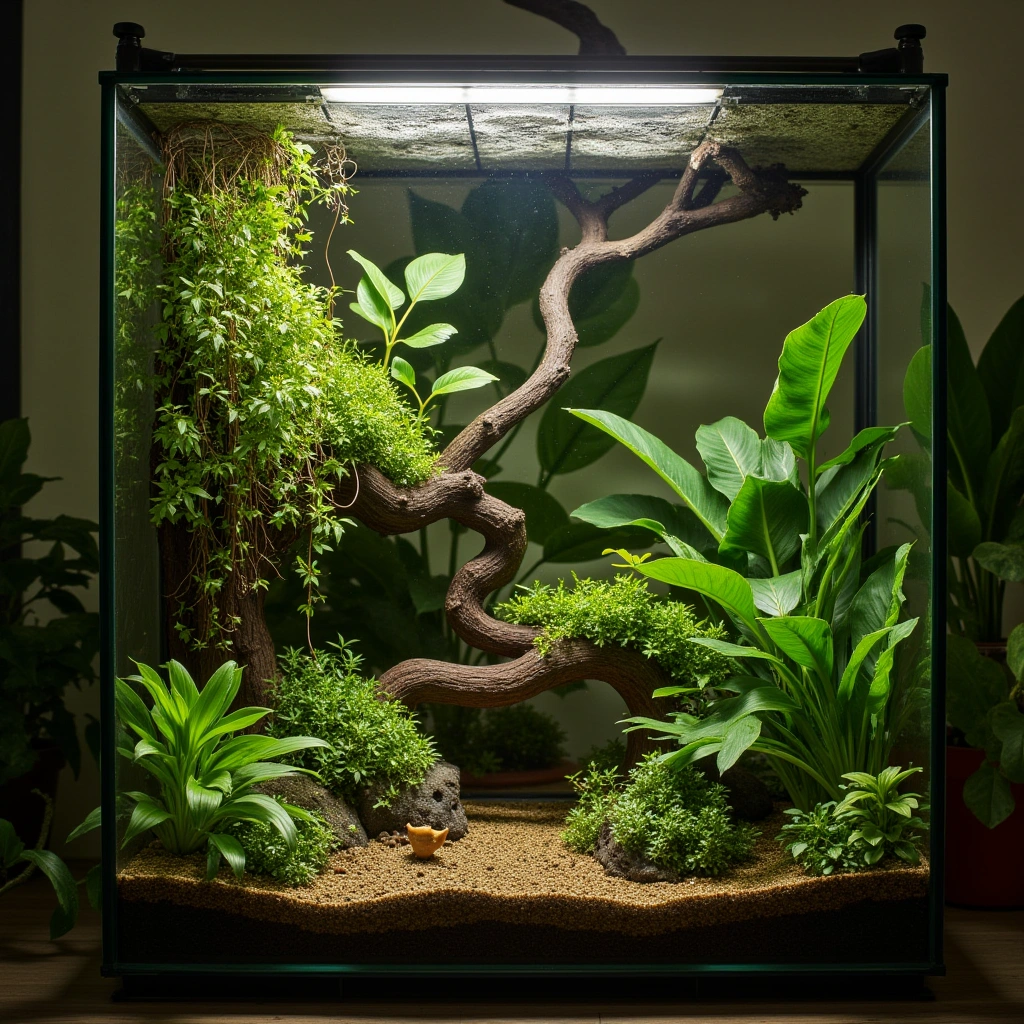
Recreate the upper layers of a jungle canopy with tall plants, vines, and branches for climbing frogs. This vertical setup allows arboreal frogs to explore different levels. Use plants like pothos and ivy along with cork bark for climbing surfaces.
Tip: Add a misting system to maintain humidity and keep leaves fresh. This design works well in larger rooms where height can be showcased.
Up next is a bright and colorful terrarium that mimics the frog’s natural home…
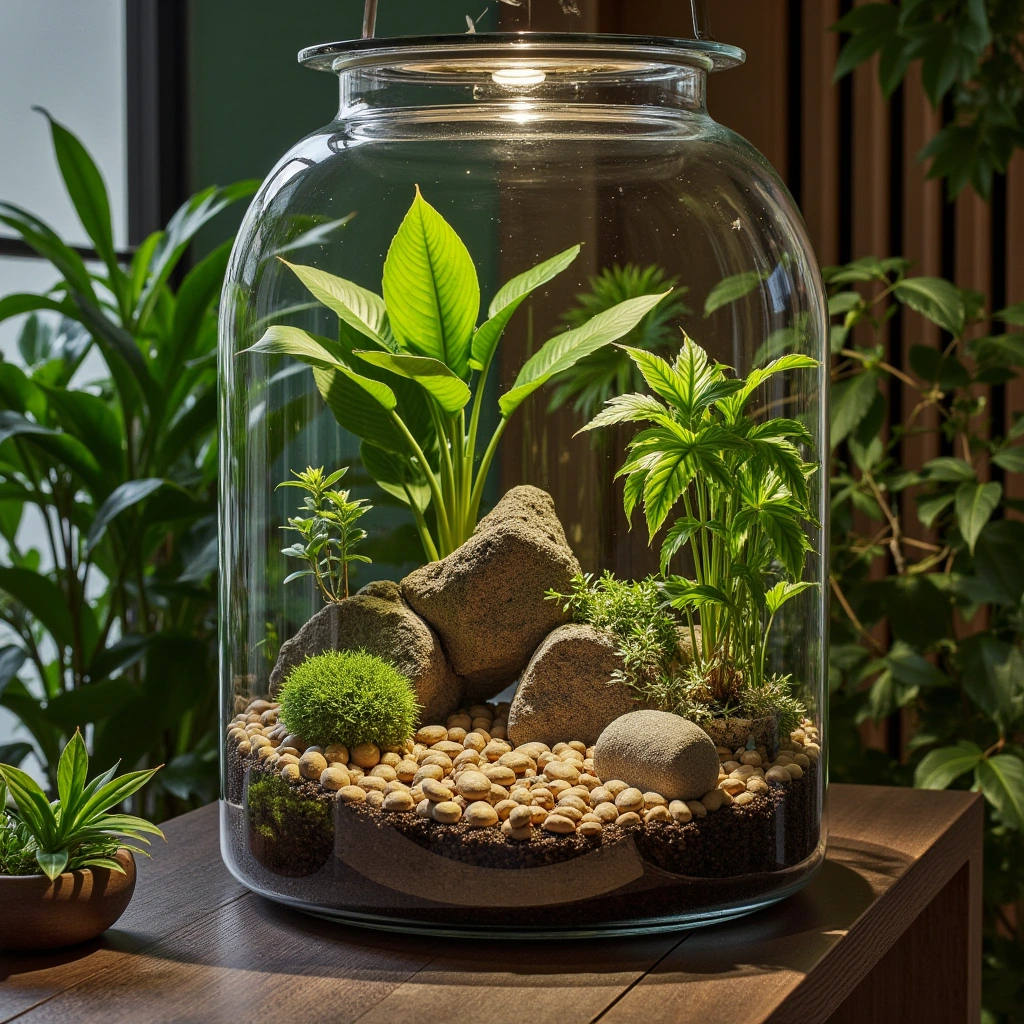
This style is all about vibrant colors and rich textures. Use bright green plants and colorful stones or decorations that reflect the Amazon’s diversity. Include a water feature to keep humidity at optimal levels.
Tip: Avoid using artificial dyes or paints that might harm your frog. Stick to safe, natural materials. This style adds a lively tropical touch to any space.
Now, for those who want to blend nature and tech…
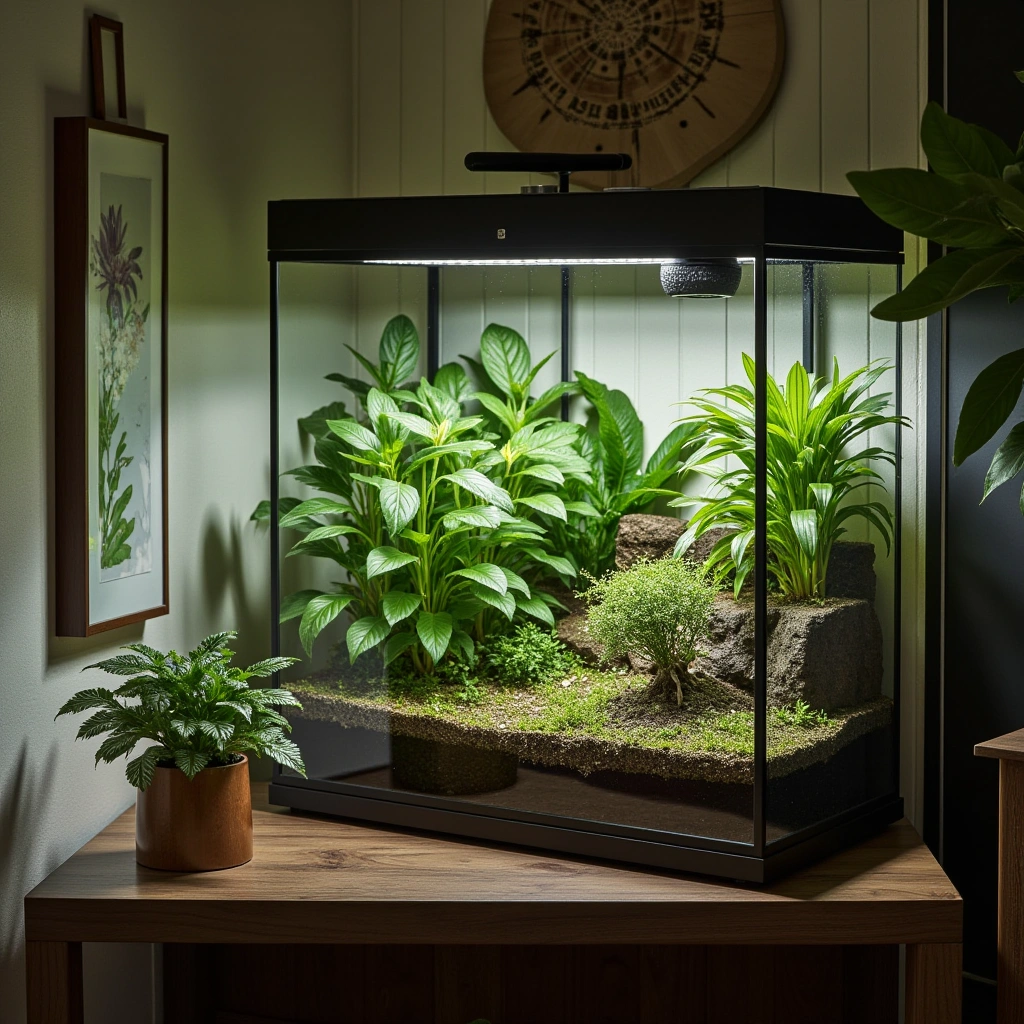
Integrate technology with nature by using automated humidity controllers, LED lighting, and temperature sensors. This setup ensures consistent conditions with minimal effort. Combine these with live plants and natural décor for a balanced habitat.
Tip: Use a smart water misting system to keep the environment stable. Ideal for tech-savvy frog keepers or busy owners.
Ready for something more rustic? Let’s check out the next idea…
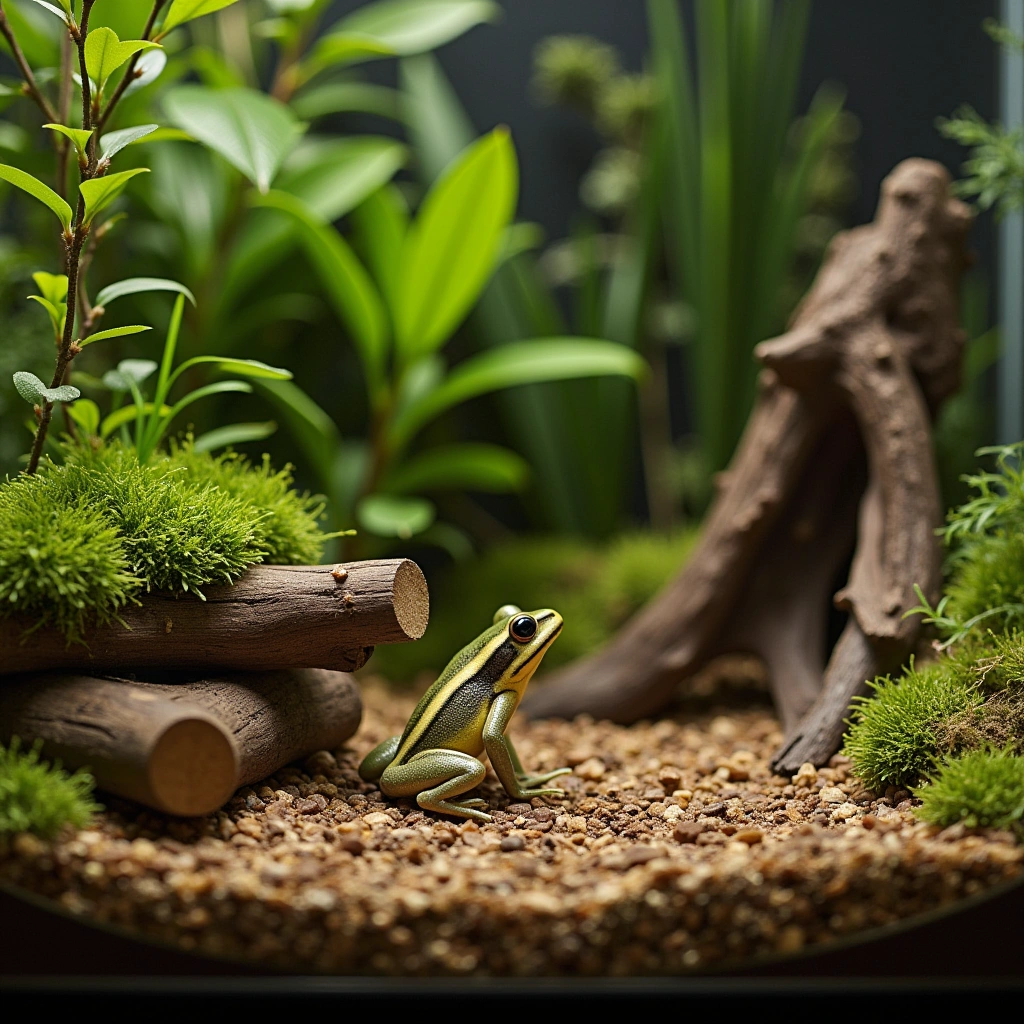
Bring the forest floor indoors with wood chips, moss, and miniature logs. This earthy design suits terrestrial frogs who enjoy burrowing and hiding under leaves. Add a shallow water dish and flat stones as basking spots.
Tip: Use untreated wood to avoid chemicals that could hurt your frog. This style pairs well with country or cottage home décor.
Moving on, here’s a design that’s perfect for small spaces…
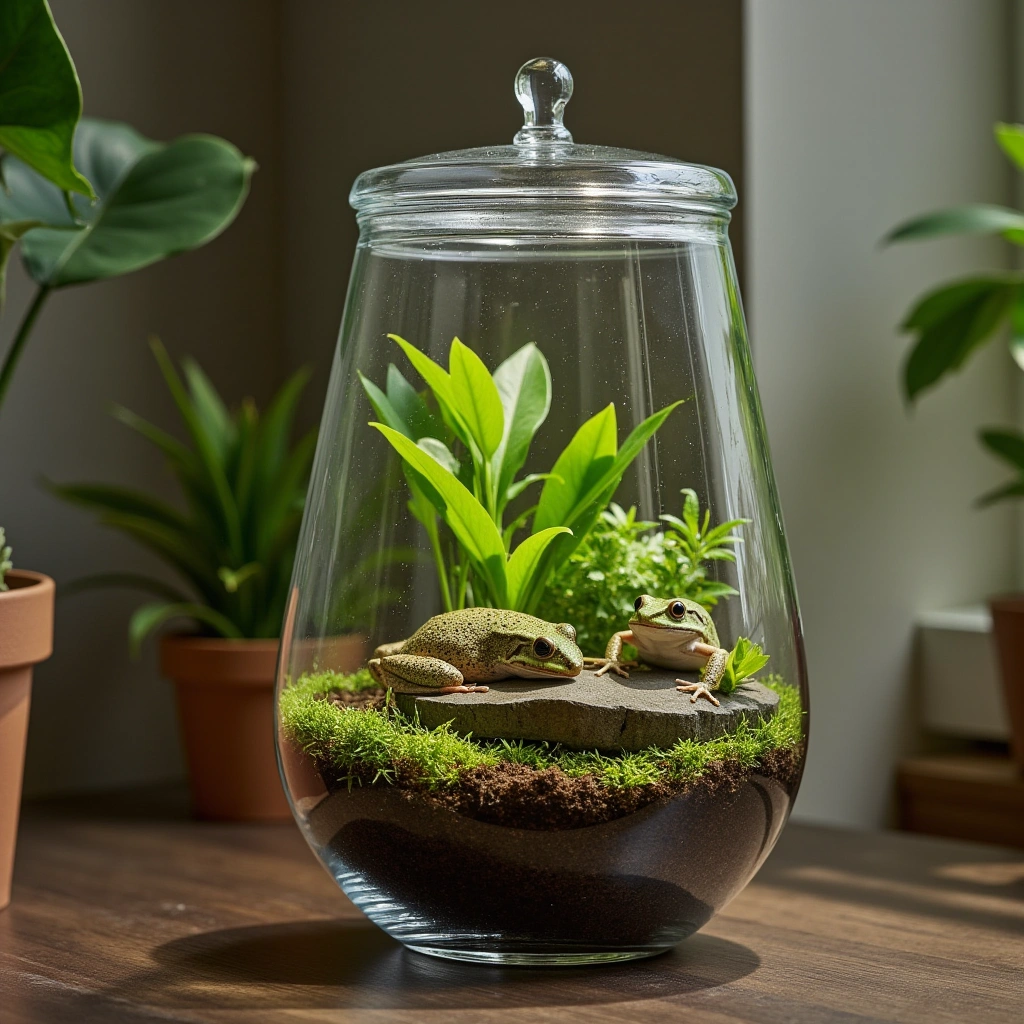
If you have limited space, a small desktop terrarium can still be functional and attractive. Use a tall glass container with a few plants and a water source. Choose compact species like dart frogs or tree frogs.
Tip: Select low-maintenance plants like moss or small ferns to keep care simple. This design fits perfectly in offices or bedrooms.
Let’s now explore a setup focused on aquatic frogs…
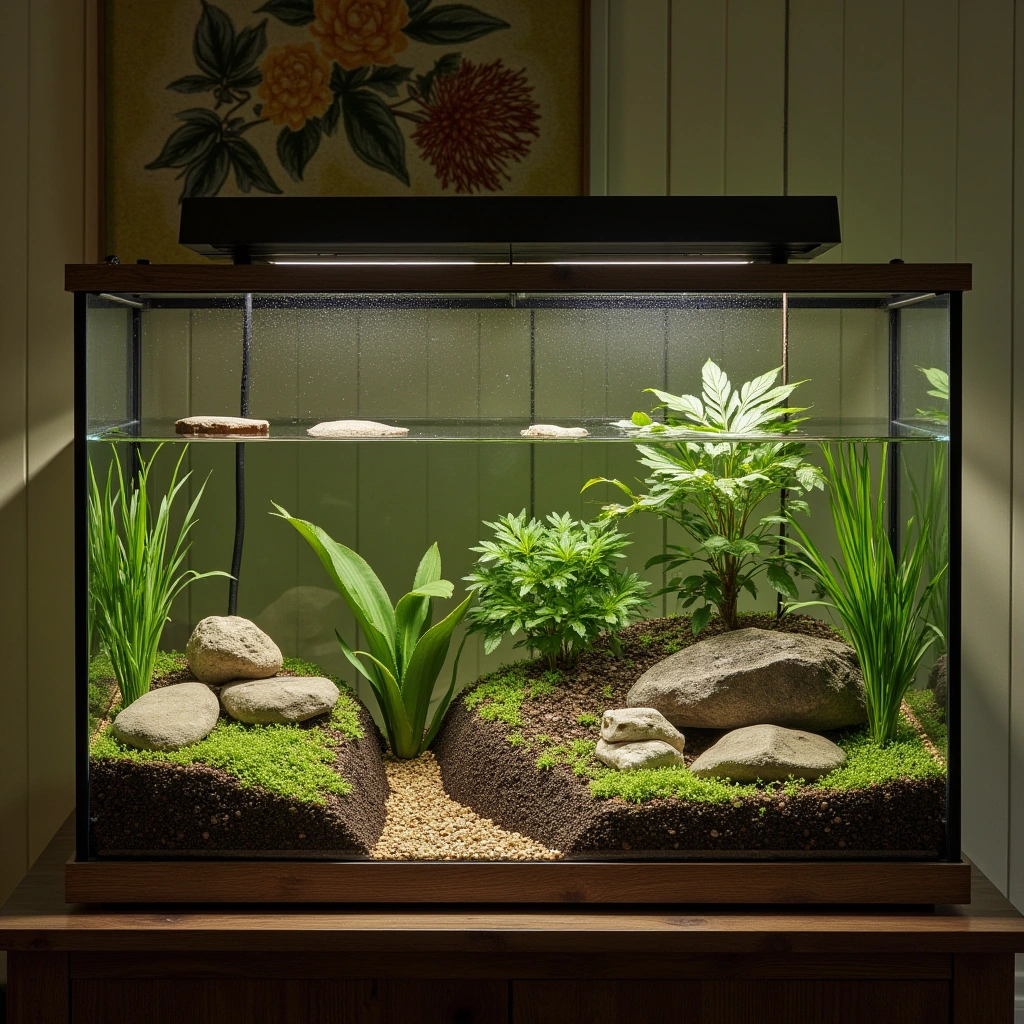
For frogs like African clawed frogs or fire-bellied toads, a semi-aquatic terrarium with both water and land areas is essential. Use a large water section with smooth rocks and a land area with moist substrate.
Tip: Install a gentle filter to keep water clean. This design adds a dynamic, natural look to any room.
Up next, a terrarium that brings in a bit of the exotic…
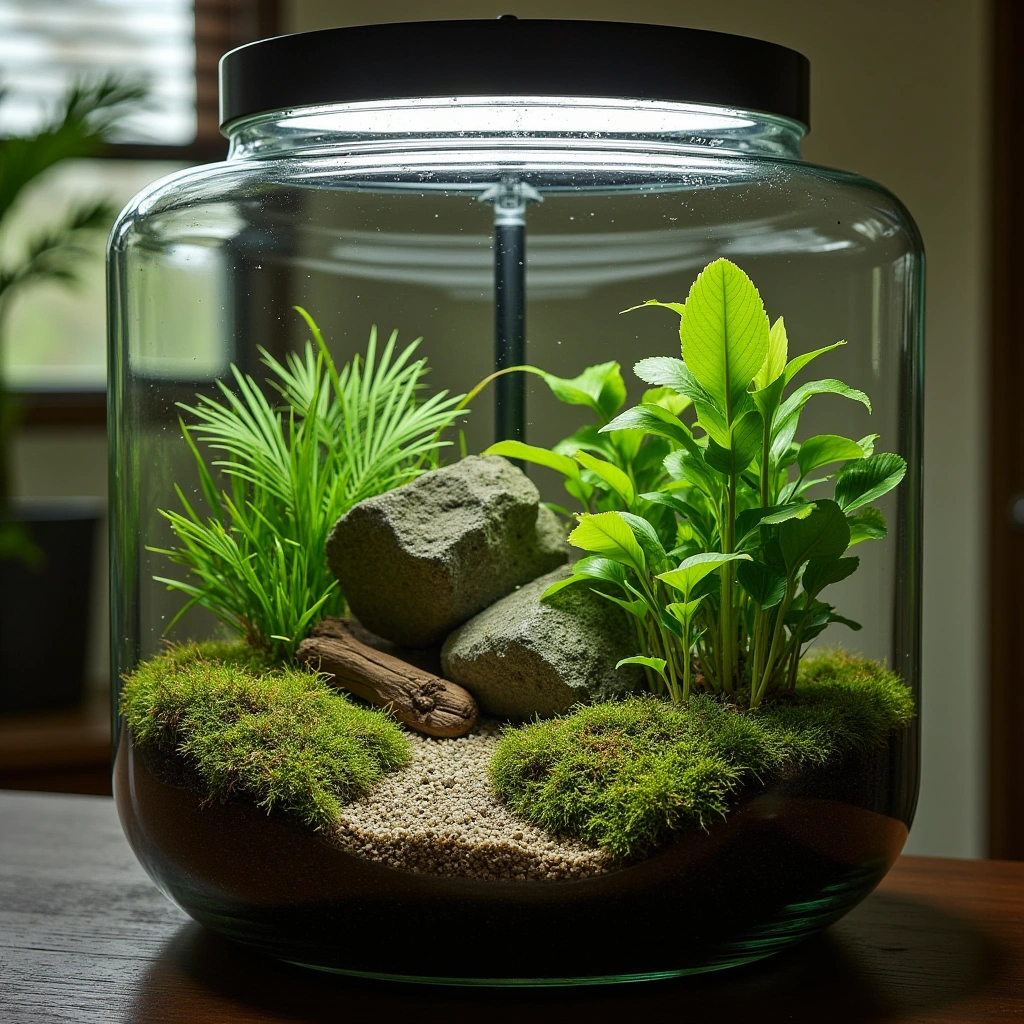
A paludarium combines water and land with abundant plants, perfect for species that enjoy both aquatic and terrestrial life. Incorporate live aquatic plants, driftwood, and moss-covered rocks.
Tip: Use a water heater for tropical species needing warmer aquatic environments. This lush design brightens up modern and classic interiors.
Let’s check out a design inspired by nature’s own artwork…
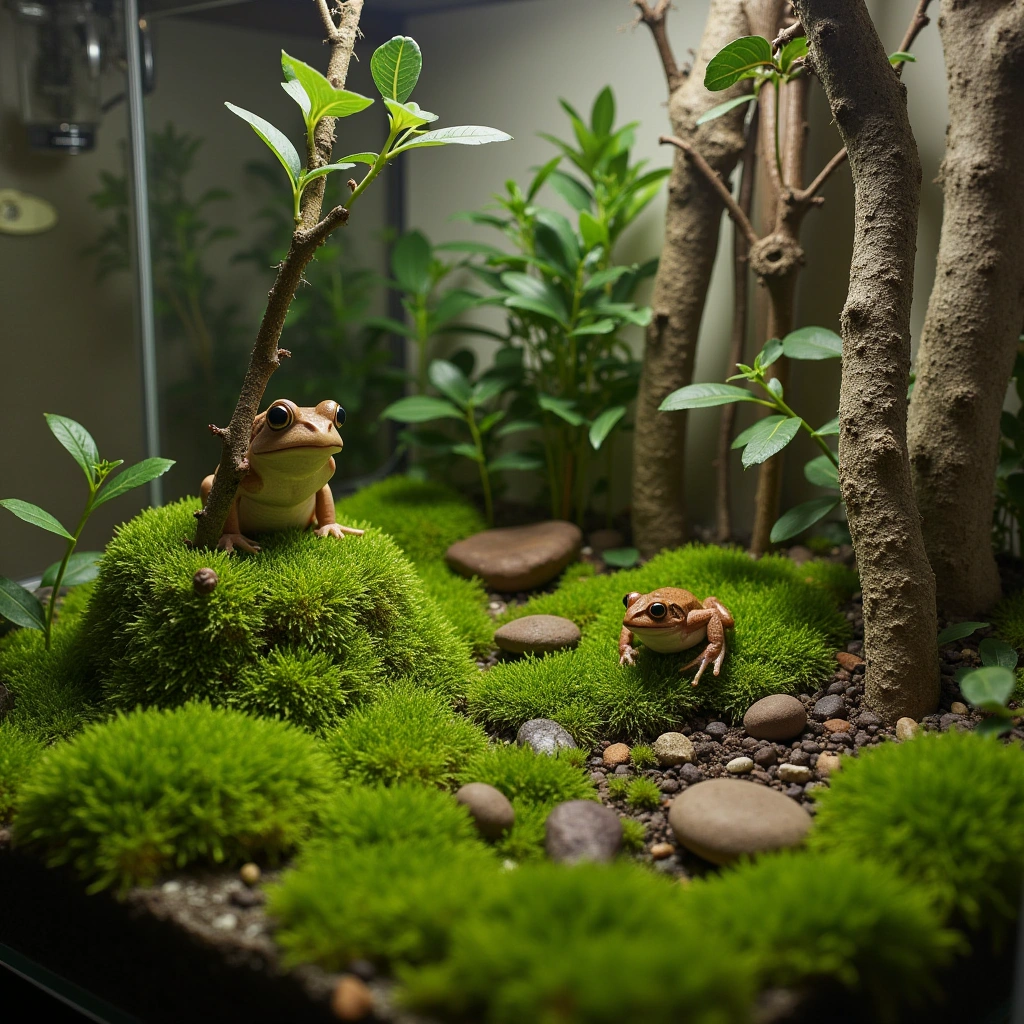
This idea focuses on thick moss carpets with leaf litter and small branches. It creates a soft, natural ground layer that retains moisture and gives frogs plenty of hiding spots.
Tip: Mist regularly to maintain moss health. This understated design blends well in naturalistic or rustic homes.
Next, a design for lovers of bold geometric shapes…
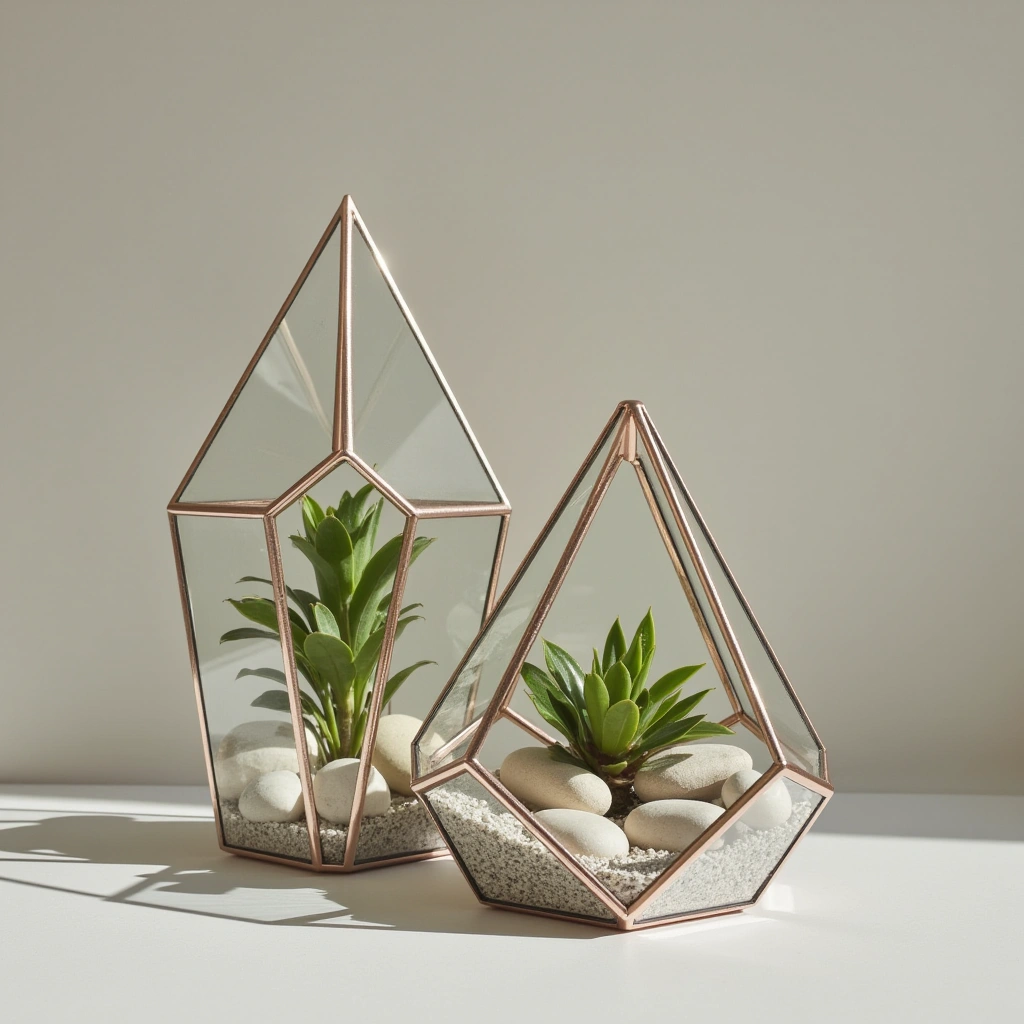
Use terrariums with interesting shapes like hexagons, triangles, or diamonds. Fill with minimalist plants and smooth stones for a modern, artful look. This design emphasizes clean lines and simplicity.
Tip: Pair with neutral colors like white, black, or grey to keep focus on the frog. Perfect for contemporary spaces.
Moving on to a design that’s both artistic and functional…
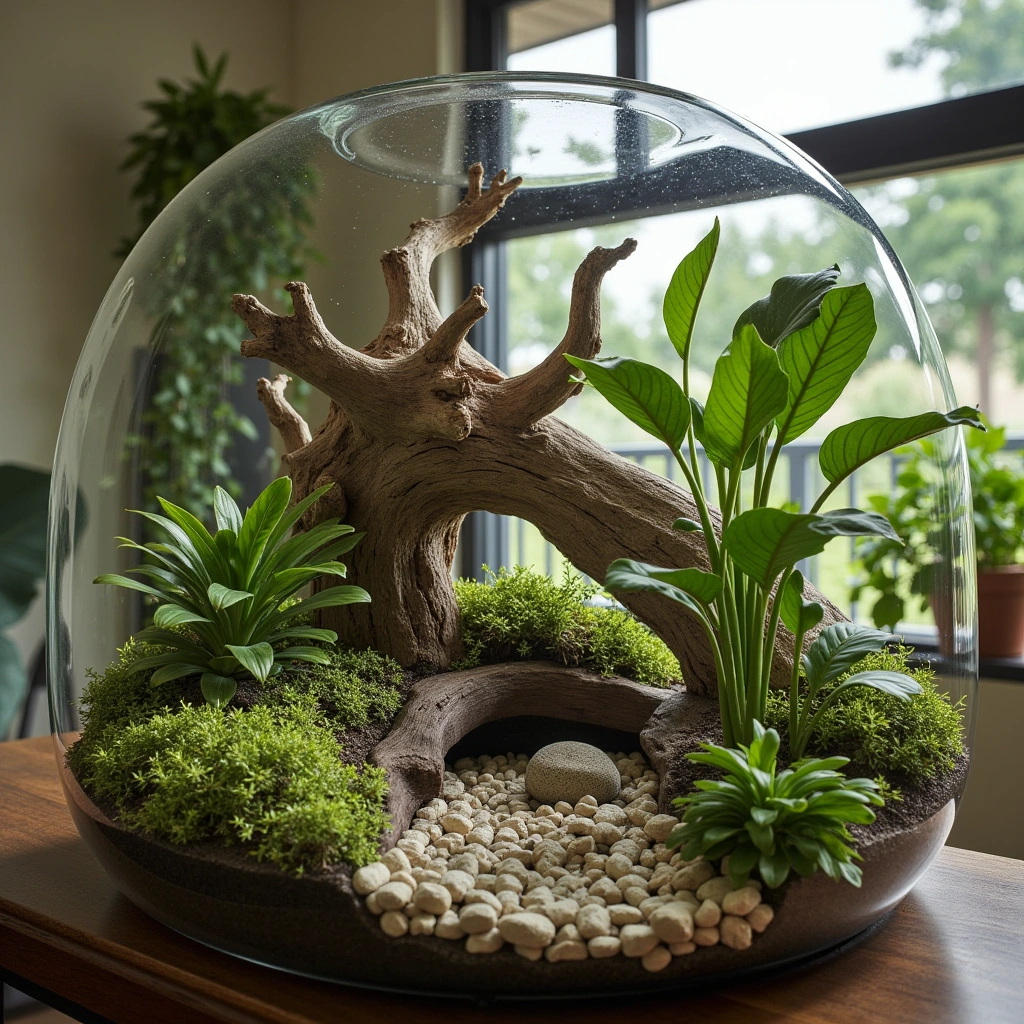
Integrate large pieces of driftwood as the centerpiece. It offers climbing spots and visual intrigue. Combine with leafy plants and a shallow water feature.
Tip: Secure driftwood firmly to avoid shifting. This naturalistic design suits rustic or coastal interiors.
Next, a bright and airy terrarium concept…
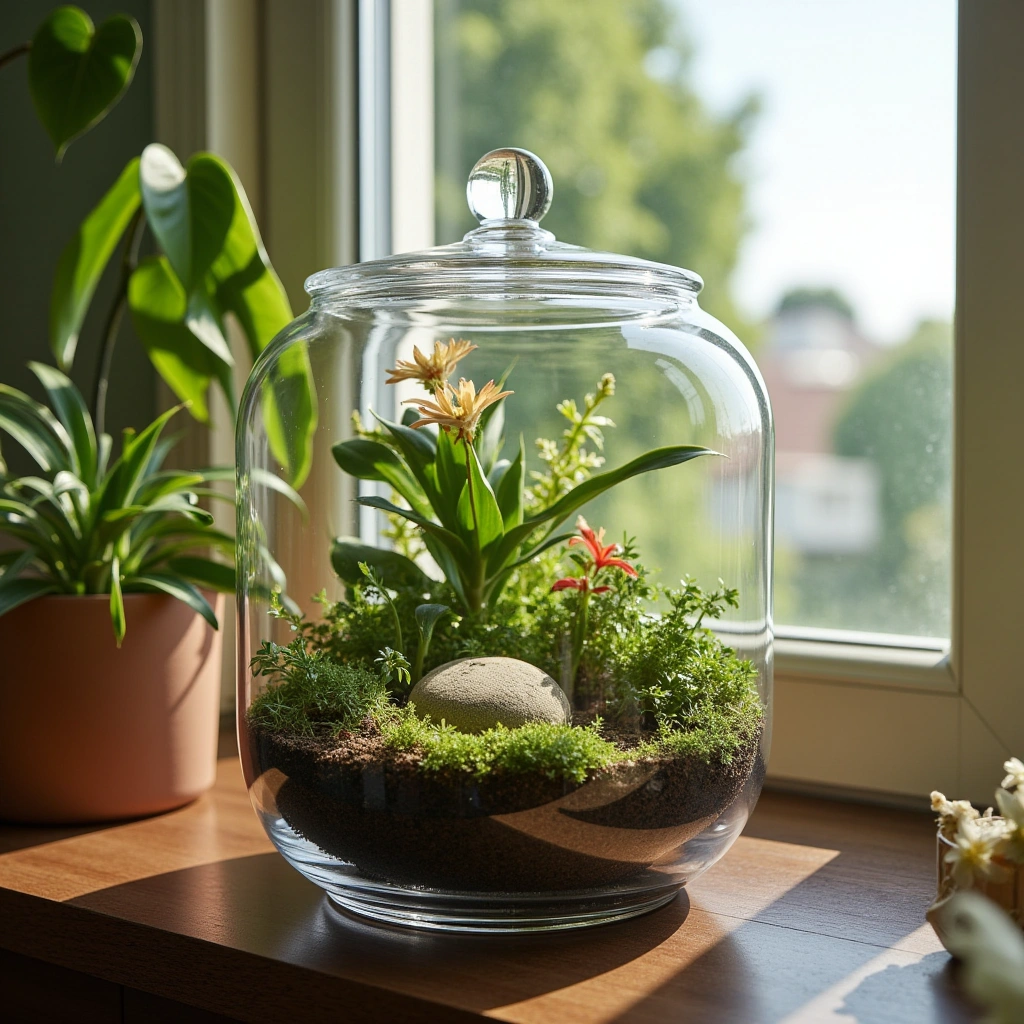
Design your terrarium to maximize natural light with translucent plants like orchids and bromeliads. Position near a window but avoid direct harsh sunlight to prevent overheating.
Tip: Rotate plants regularly for even growth. This approach adds freshness and vitality to your frog’s environment.
Let’s explore a more playful design…
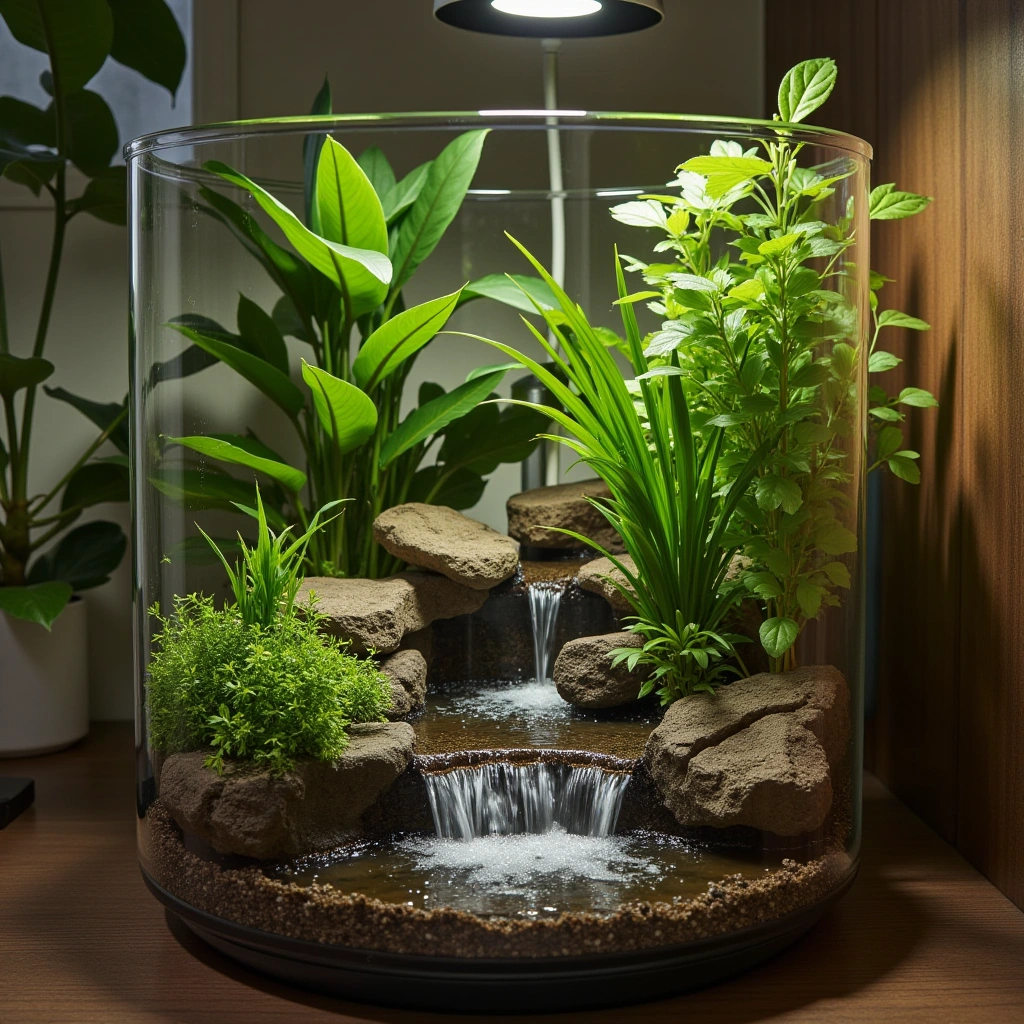
Create a mini waterfall using a small pump, rocks, and plants for a rainforest vibe. The sound of flowing water adds ambiance and keeps humidity high.
Tip: Regularly clean the pump to prevent clogging. This lively design suits nature lovers and adds a soothing atmosphere.
Up next, a design that connects indoor and outdoor spaces…
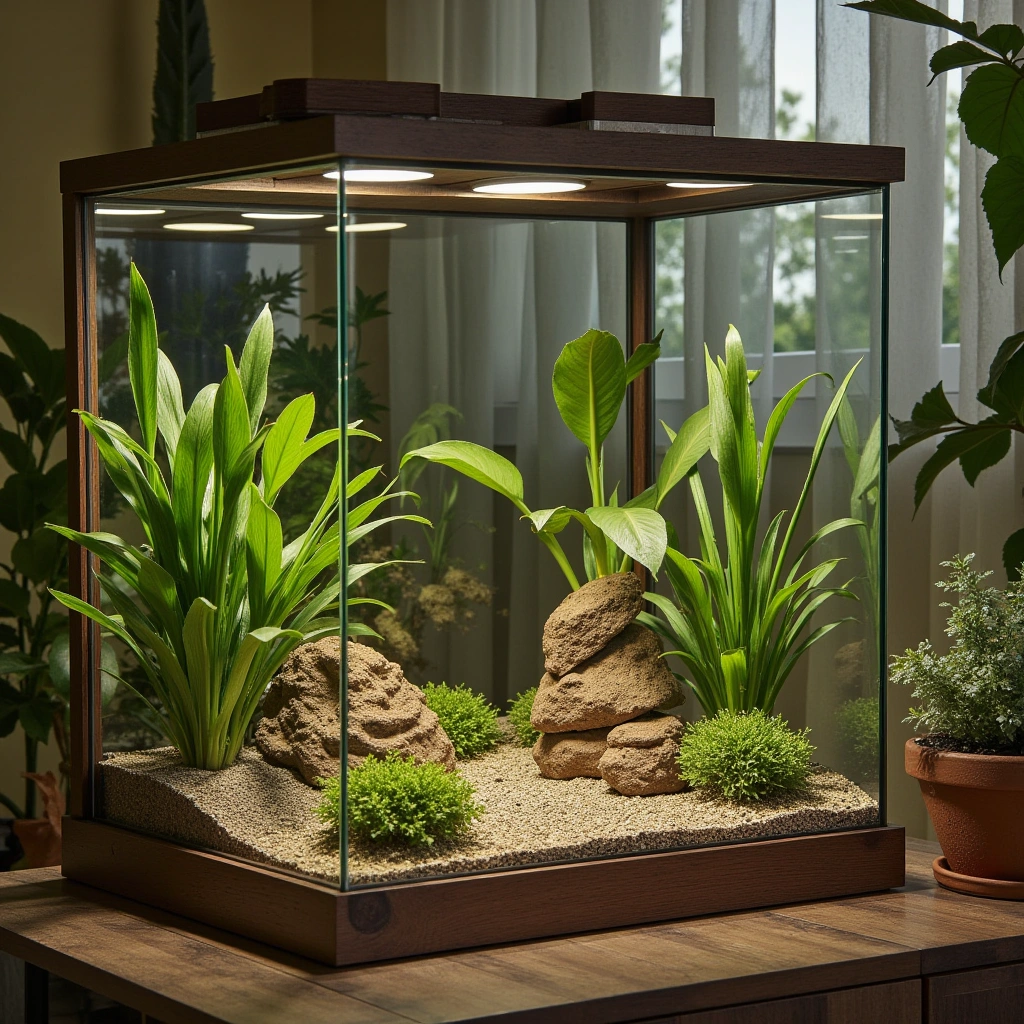
Use large glass panels and natural materials to create a terrarium that blends seamlessly with your garden or patio. This design gives frogs more natural light and airflow.
Tip: Ensure temperature control to avoid outdoor fluctuations. Perfect for homes with garden views.
Now, a desert-inspired frog terrarium…
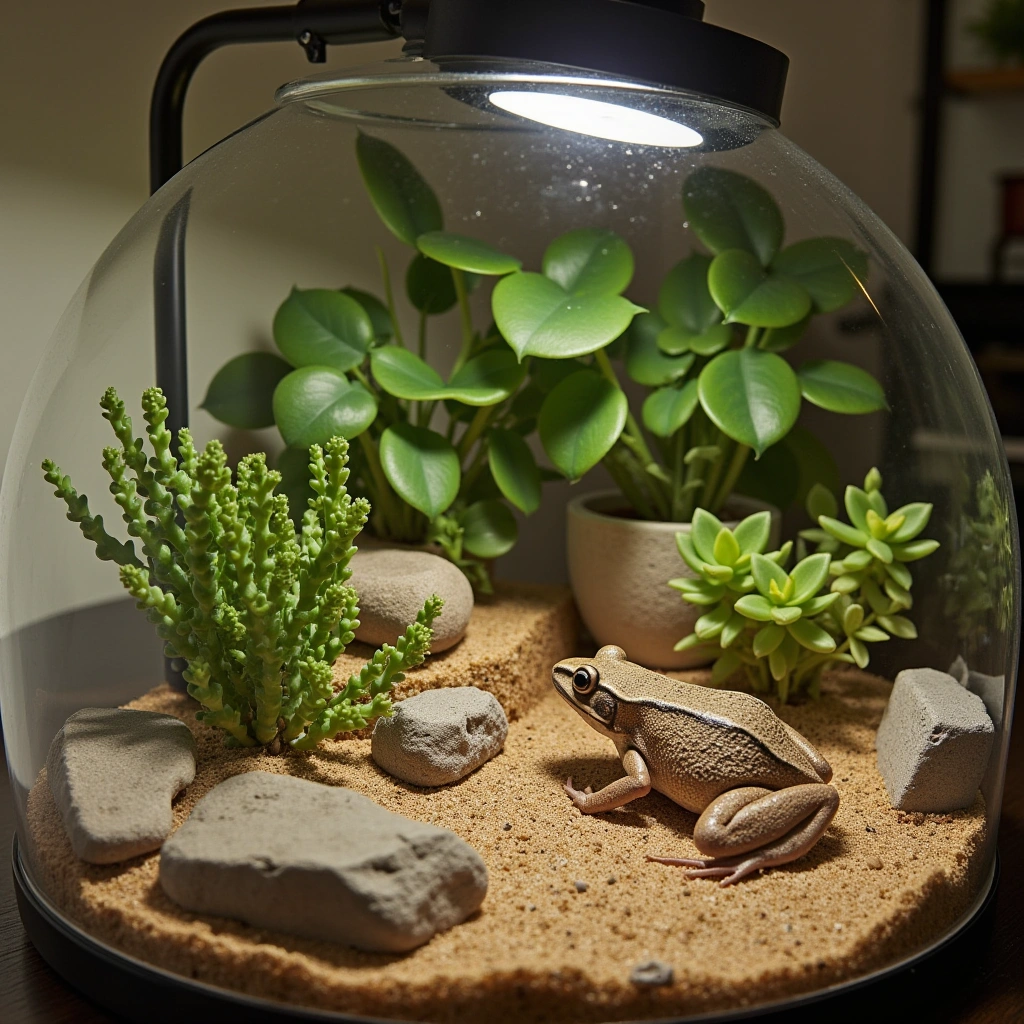
For desert frogs like the Couch’s spadefoot toad, use sand or sandy soil, rocks, and drought-tolerant plants like succulents. Keep humidity low but provide a small water dish.
Tip: Avoid overwatering to prevent mold. This rugged design fits Southwestern or rustic home themes.
Next, a design that highlights natural textures…
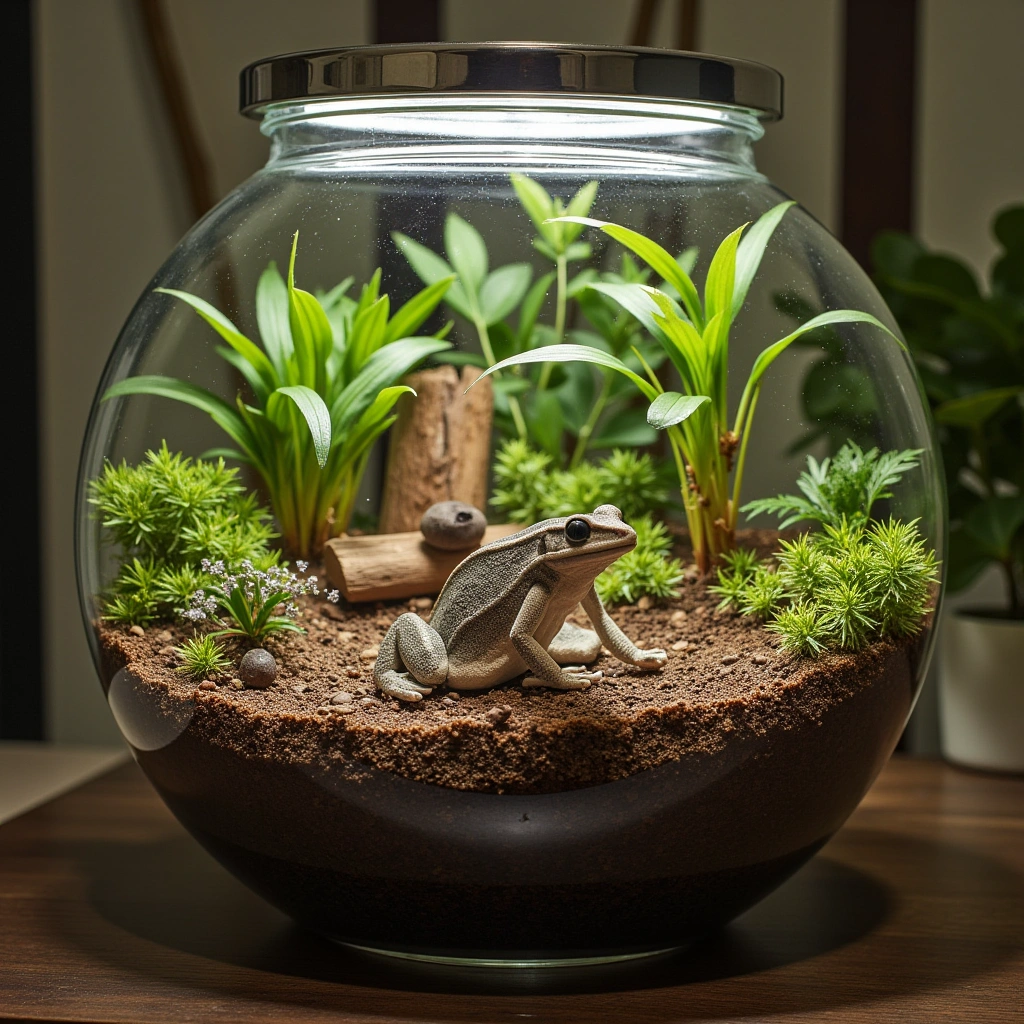
Focus on layers of bark, leaf litter, and decomposing wood to mimic a natural forest floor. This provides both moisture retention and hiding spots.
Tip: Use organic, pesticide-free materials. This earthy setup complements traditional and rustic homes.
Moving on to a design that’s perfect for beginners…
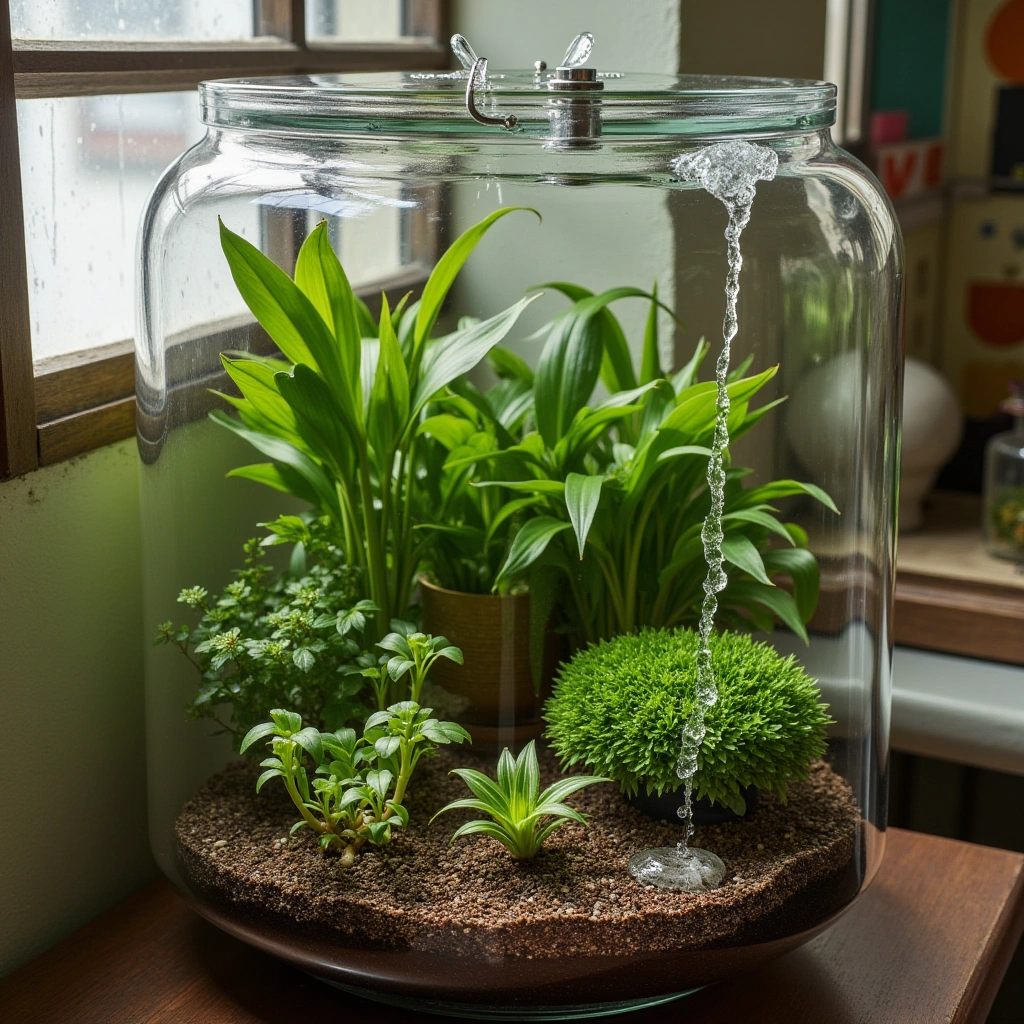
Choose hardy plants like pothos and spider plants, use simple substrates, and avoid complicated water features. This setup is easy to care for and still looks great.
Tip: Regularly check humidity and temperature but keep maintenance minimal. Ideal for first-time frog owners.
Next, a design that’s all about height…
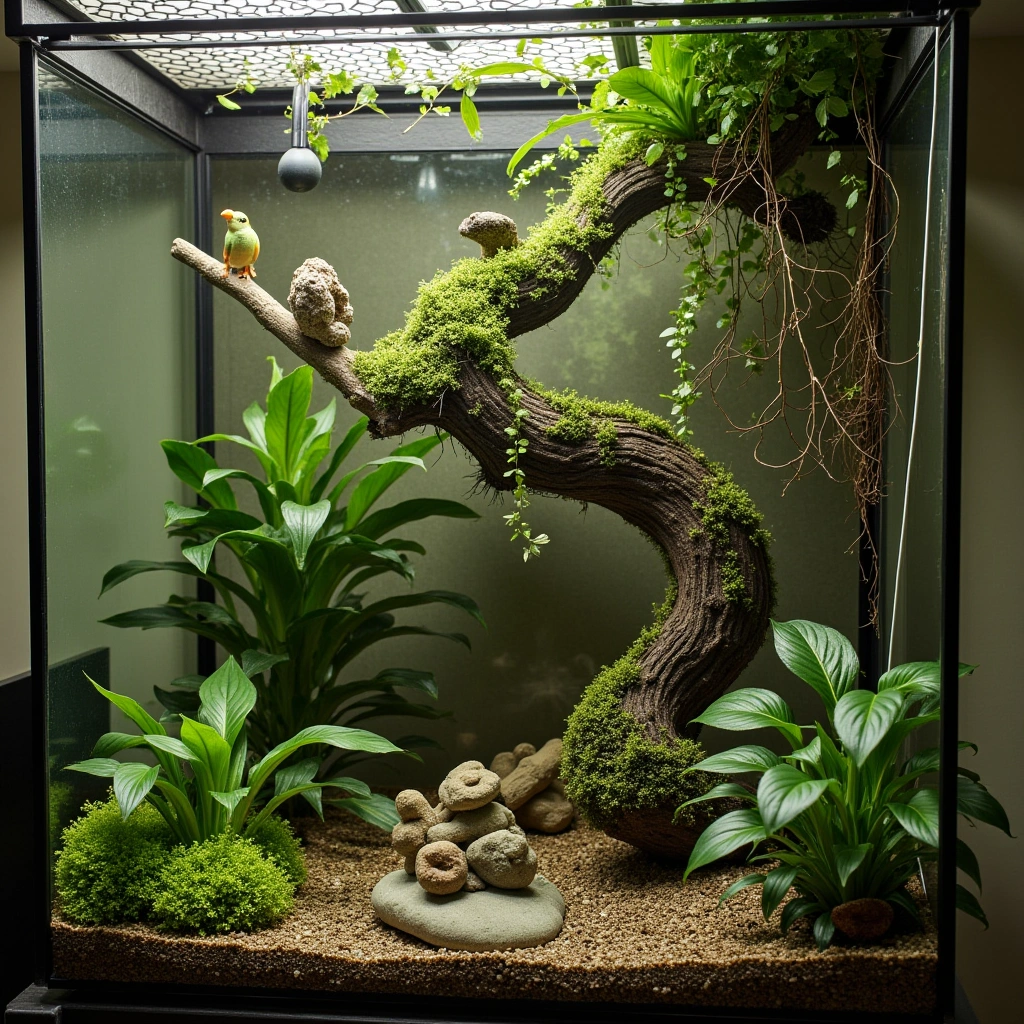
Stack plants, vines, and branches upward in a tall terrarium to maximize climbing space. This is great for arboreal frogs and adds a dramatic look.
Tip: Use a misting system to maintain moisture on all levels. Fits well in contemporary and urban spaces.
Finally, a design that blends art and nature…
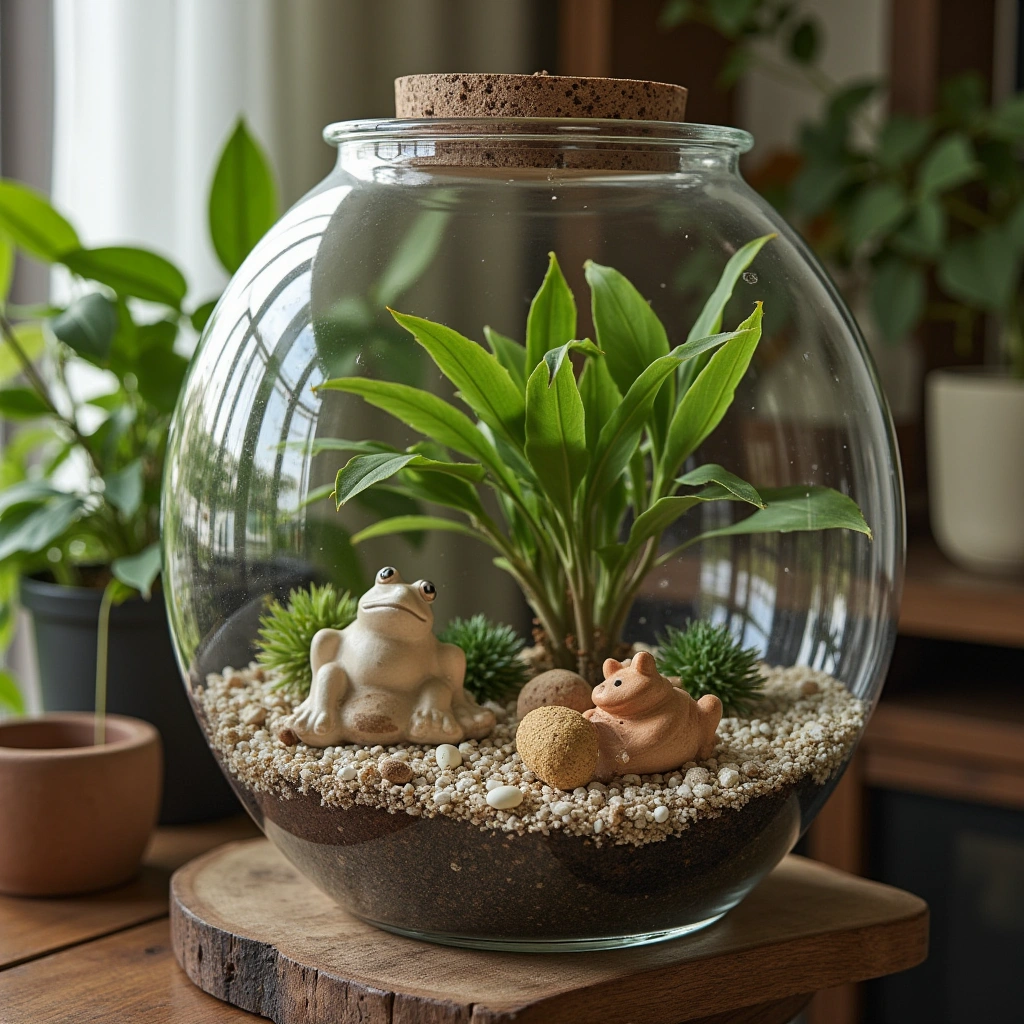
Combine natural elements like rocks and plants with artistic pieces like ceramic frogs or decorative stones. This creates a unique, personalized habitat.
Tip: Ensure decorative items are non-toxic and safe. This eclectic design adds charm and character to any room.
Crafting the perfect frog terrarium takes a blend of creativity, knowledge, and care. These 20 frog terrarium ideas provide a diverse range of options, from lush rainforests to minimalist designs, all aimed at creating a safe and beautiful home for your amphibian. Remember, the key is balancing aesthetic appeal with your frog’s specific needs, ensuring a thriving and visually stunning terrarium.
Whether you’re a seasoned hobbyist or just starting, these ideas will help you build a terrarium that’s both functional and fabulous. Happy decorating, and here’s to your frog’s happy new home!